
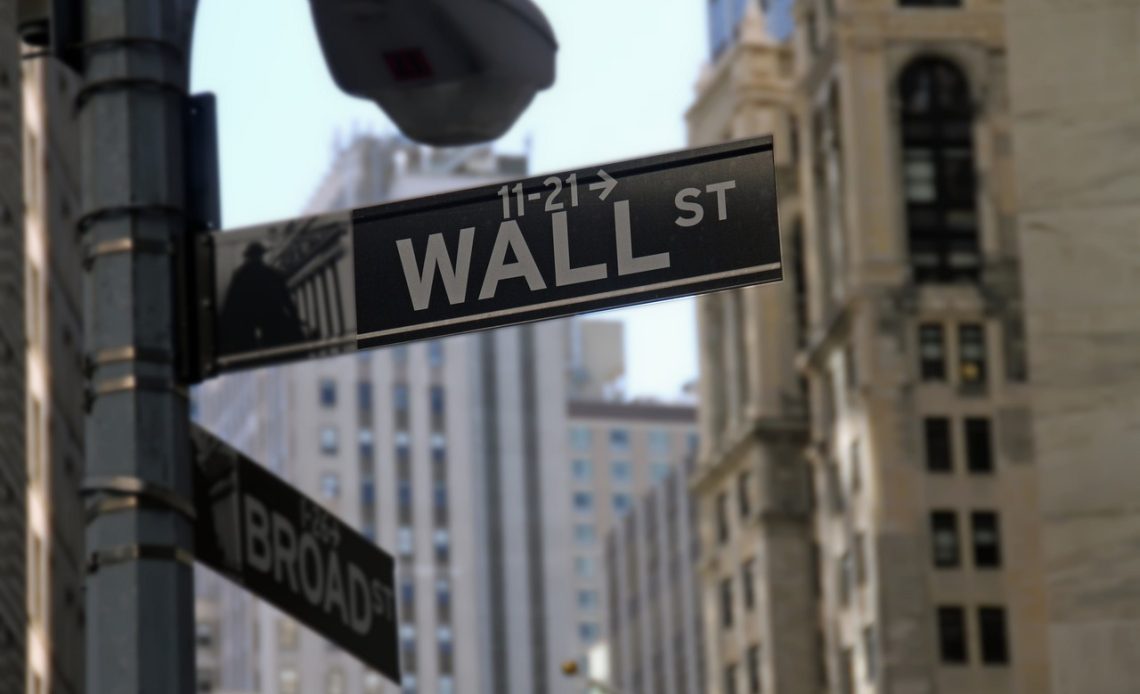
Wall Street was set for a stronger start on Monday as investors welcomed signs that Washington and Tehran were stepping back from a fresh round of military escalation.
Nasdaq 100 futures led the move, helped by lower oil-risk fears and a better tone across growth stocks.
Still, the rebound is not clean as traders are still wrestling with the cost of the AI boom, Apple’s product-price increases, and the possibility that sticky inflation forces the Federal Reserve to raise rates again this year.
This week’s jobs data may decide whether the relief rally has room to run.
5 things to know before Wall Street opens
1. Nasdaq futures lead the rebound
Dow Jones Industrial Average futures rose 205 points, or 0.39%, while S&P 500 futures gained 0.74%.
Nasdaq-100 futures led the advance, climbing 1.08% as technology shares drove the premarket rebound.
The move followed a difficult stretch for growth stocks last week, when concerns over AI valuations and higher borrowing costs weighed on the market.
The Dow held up better than the S&P 500 and Nasdaq, rising 0.6% over the week.
2. US-Iran de-escalation boosts risk appetite
The immediate boost came from signs of de-escalation in the Gulf.
A US official said Washington and Tehran would reduce hostilities and restart talks aimed at ending the war, raising hopes that an interim peace agreement can survive.
Markets have been sensitive to every headline from the region because any renewed threat to the Strait of Hormuz could quickly lift oil prices.
Strategists said the administration’s push to keep talks alive appears partly aimed at containing crude prices and supporting risk assets.
3. AI cost worries have not gone away
The rally still faces a technology-sector overhang.
Last week’s selloff hit semiconductor shares and the Magnificent Seven after investors questioned whether heavy AI spending can keep delivering earnings growth.
Apple remains in focus after falling 4.8% last week. The company raised prices on some iPads and MacBooks after warning that rising memory and storage chip costs had become harder to absorb.
That has sharpened the debate around the AI boom: chipmakers are enjoying stronger demand, but device makers and consumers are starting to feel the cost.
4. Fed and jobs data remain the bigger test
Traders still expect at least one Fed rate hike this year as policymakers try to control inflation.
That view could shift later this week when the US releases June labour-market data.
A strong payrolls report would support the case for tighter policy and could pressure richly valued growth stocks.
A softer number may give equities some breathing room by easing rate expectations. For now, the market is treating the jobs report as the next major test of the rebound.
5. SpaceX stock surges in pre-market
SpaceX rose in premarket trading after Nasdaq said the newly listed company will join the Nasdaq 100 on July 7, a move likely to attract buying from index-tracking funds.
The inclusion is significant because funds and ETFs that track the index will need to adjust their portfolios, potentially creating fresh demand for the stock.
It also gives SpaceX a higher profile among large-cap growth investors just weeks after its market debut.
The post Nasdaq futures surge 320 points: 5 things to know before Wall Street opens appeared first on Invezz